Afghanistan Culture and Development
Exhibitions, children’s education and locally led museum practice in Kabul and Kholm.
Read the programme story ↗ CIE–Centre for International
Founded in 2024, Heritage EduHub is CIE’s open-access initiative for heritage studies, museum practice, community narratives and material culture.
It translates fieldwork, seminars, research and collaboration into accessible articles, readers, modules, toolkits and training—welcoming beginners without losing intellectual rigour.
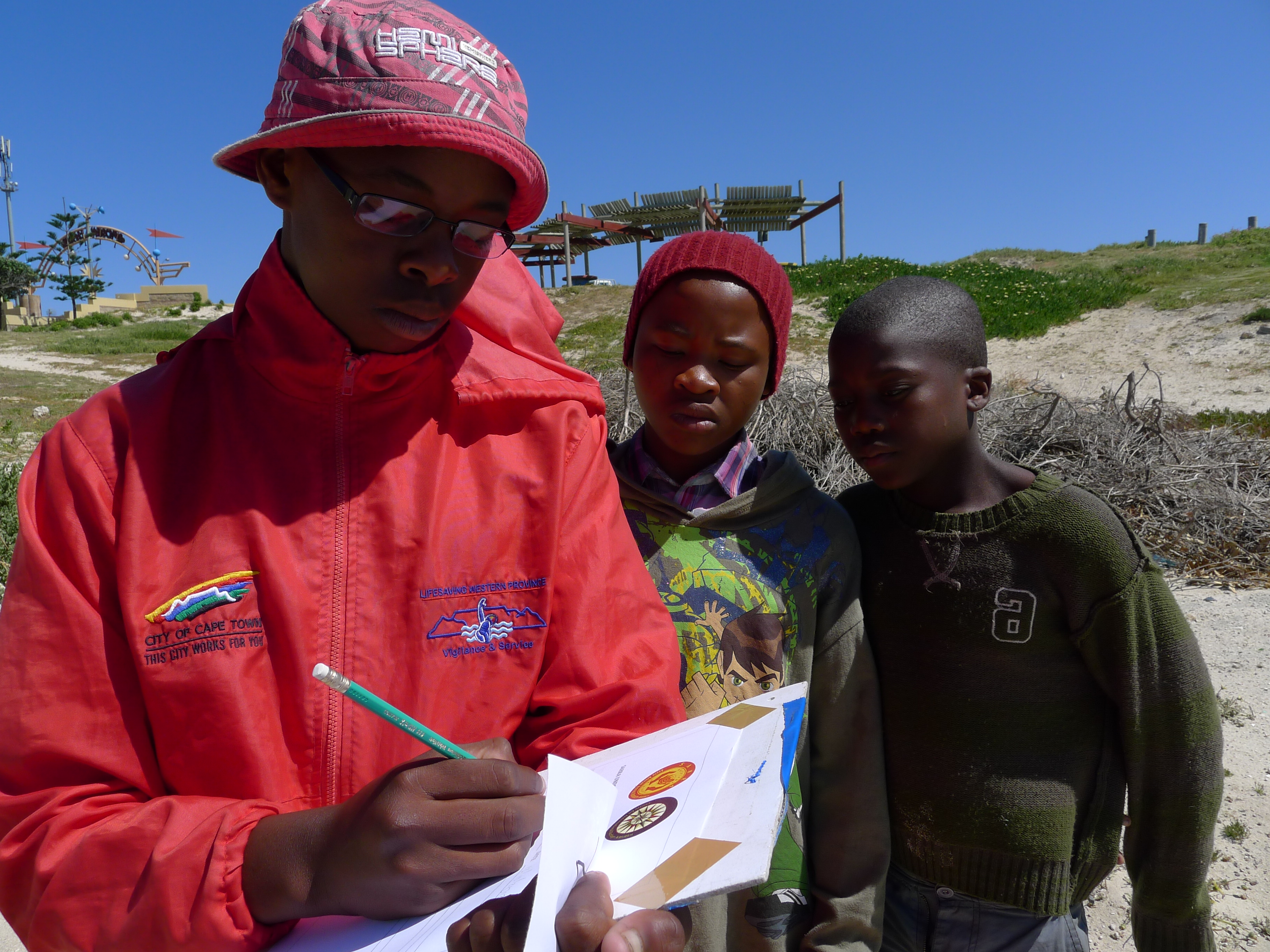 Cape Town / South Africa / Youth Network / Photo CIE / Robert Parthesius
Role in CIE
EduHub helps every cluster transform specialised work into clear, adaptable and context-sensitive learning for students, communities, educators and practitioners.
It connects research and practice without reducing either, building pathways from active CIE work to readers, modules, toolkits, workshops and public knowledge.
EduHub online heritage library
Foundational questions become clear entry points for classrooms, workshops, museum visits and independent study.
How objects, labels, interpretation and display shape the way people encounter material culture.
02MuseumsA practical guide to reading museums attentively and connecting exhibition choices to heritage questions.
03NarrativesAn introduction to authorised heritage discourse and the tension between institutional and community storytelling.
04Contested heritageA case study in restitution, contested ownership, museum ethics and the politics of display.
05Heritage in crisisA reading centred on loss, theft, return and the cultural stakes of safeguarding iconic objects.
06Heritage ecologyHow art-archaeology can make disappearing landscapes and environmental change legible as heritage.
Learning from the archive
Earlier CIE programmes show how practical work becomes a learning pathway, a shared method and a public story.
Exhibitions, children’s education and locally led museum practice in Kabul and Kholm.
Read the programme story ↗A cumulative curriculum in underwater recording, interpretation, conservation and site management.
Read the fieldschool story ↗Training, documentation and community-centred maritime heritage work connecting Zanzibar with Mafia Island, Kilwa and a wider East African network.
Read the Tanzania programme story ↗Contribute
EduHub welcomes proposals from heritage and museum educators, students and PhD researchers, journalists, heritage professionals, archaeologists, art historians and museum practitioners.
2026–2027 focus